Friendsgiving as Mutual Resourcing
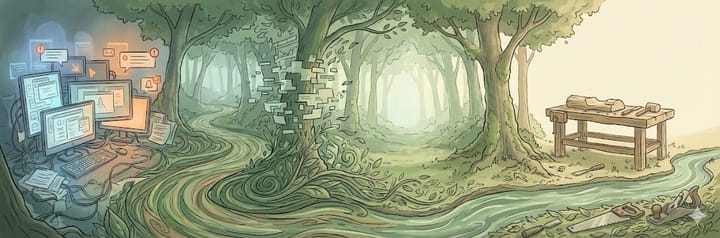
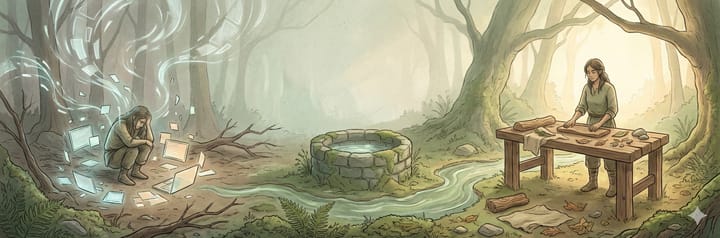
When inherited structures don't fit, we build new ones—not as rejection, but as adaptive care for ourselves and each other.
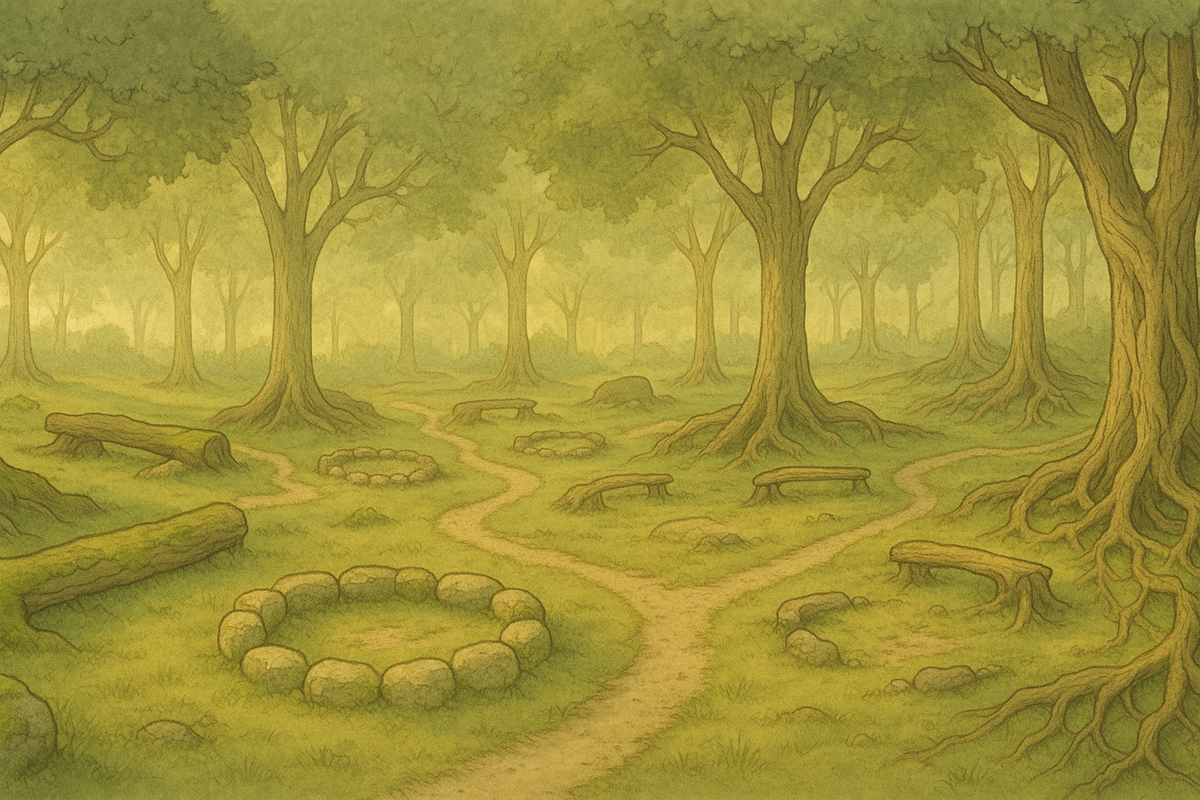
When traditional resourcing structures fail or don't fit, we don't have to wait for permission to build new ones.
Friendsgiving is gaining traction—not as rejection of Thanksgiving, but as something more adaptive. People creating new rituals for mutual support when inherited ones don't match their actual lives. Chosen family instead of biological family. Flexible dates instead of fixed mandates. Formats that emerge from group needs rather than prescribed tradition.
It's a small thing, maybe. But small things reveal patterns.
This is what it looks like when communities resource themselves without waiting for systems to catch up. When care can't depend on institutions that don't serve everyone, people build micro-infrastructures of their own. Friendsgiving as emergent ritual—gather to eat, to rest together, to give thanks in whatever form that takes. The pattern persists even as the container changes shape.
Living traditions adapt. They keep what matters—connection, celebration, mutual support—and let go of forms that no longer fit. Friendsgiving doesn't need a governing body or official blessing. It exists because people need it, and they're creating space for it together.
This is field stewardship at the scale of dinner tables. Community-designed rituals that enable rest and celebration without depending on structures that might exclude, extract, or simply not show up. Not waiting for better systems—building the ones we need now, with what we have, with who's here.
The question isn't whether this is "real" Thanksgiving. The question is: where else are we waiting for traditional support that isn't coming? What could we build with people around us as adaptive resourcing? What small ritual might create recovery space without requiring institutional permission?
We've been taught that legitimate support comes from established systems—family structures, workplace benefits, government programs. But bodies and communities know how to resource themselves when those systems fail. We always have.
Friendsgiving reminds us: we can create what we need. Not as individualized self-care theater, but as collective practice. Mutual aid at the scale of shared meals. Permission-free infrastructure.
When the inherited structures don't fit, we build new ones—not in defiance, but in care. For ourselves, for each other, for the rhythm of rest and celebration that bodies and communities require to sustain themselves.