So Much to Explore and Nothing to Find
AI can generate infinite worlds. But discovery requires something to have been hidden. Abundance without intention is just sophisticated emptiness.
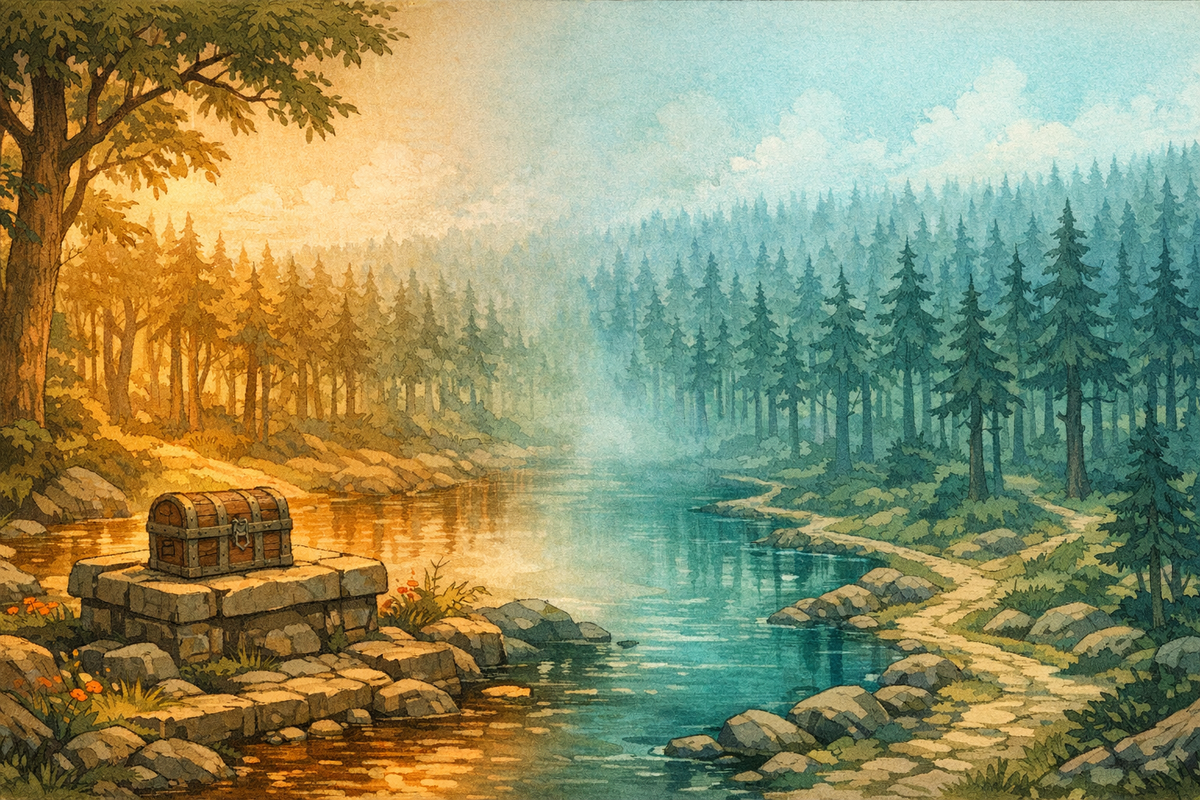
"So much to explore and nothing to find."
That's how one observer described AI-generated video game content. Procedurally generated worlds stretching to every horizon, landscapes that never repeat, dungeons that spawn endlessly. And yet—nothing to find. The abundance creates a kind of emptiness that handcrafted scarcity never could.
The problem isn't technical. The generation works. The worlds exist. You can walk through them, fight enemies, collect loot. But something essential is missing, and it's not more content.
Discovery presumes intention. When you find something in a game—a hidden room, a secret item, a message scrawled on a wall—part of what makes it meaningful is knowing someone put it there. Someone decided this mattered enough to hide. The discovery isn't just access to content; it's contact with a mind that wanted you to find it.
Generated content can simulate the form of discovery. The secret room appears. The loot drops. But there's no one on the other side of the hiding. No mind intended for you to find this particular thing in this particular place. The structure of discovery is present; the relationship is absent.
This matters beyond games. We're entering an era of generated abundance in writing, images, music, code. AI can produce more content than any human could consume. But the question "is there something to find?" becomes harder to answer when nothing was hidden.
Consider the difference between a letter from a friend and a personalized AI message. Both might contain kind words, relevant details, signs of care. But the letter carries intention—someone chose these words for you, spent time thinking about what to say. The AI message, however warm, wasn't hidden by anyone. There's no discovery because there was no hiding.
This isn't a flaw in AI. It's a clarification of what discovery actually is. We thought we wanted more content, more worlds, more things to find. But discovery isn't about quantity of content. It's about contact with intention. A single hidden note in a tiny game can mean more than a thousand procedurally generated dungeons, because someone decided to hide it.
The hunger isn't for more. It's for meant. Generated worlds can be infinite, but meaning requires a mind that put something there for you to find.