The Scroll That Empties the Well
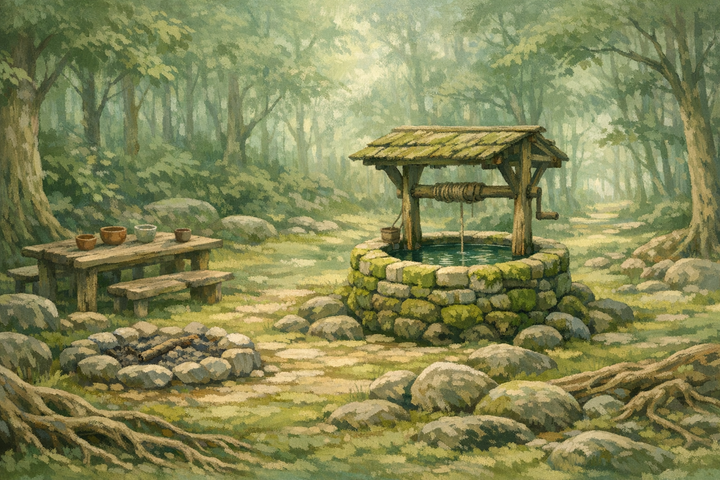
The inspiration scroll promises to fill you up. But attention has a finite reservoir, and endless 'research' draws from the same well you'd need to actually create.
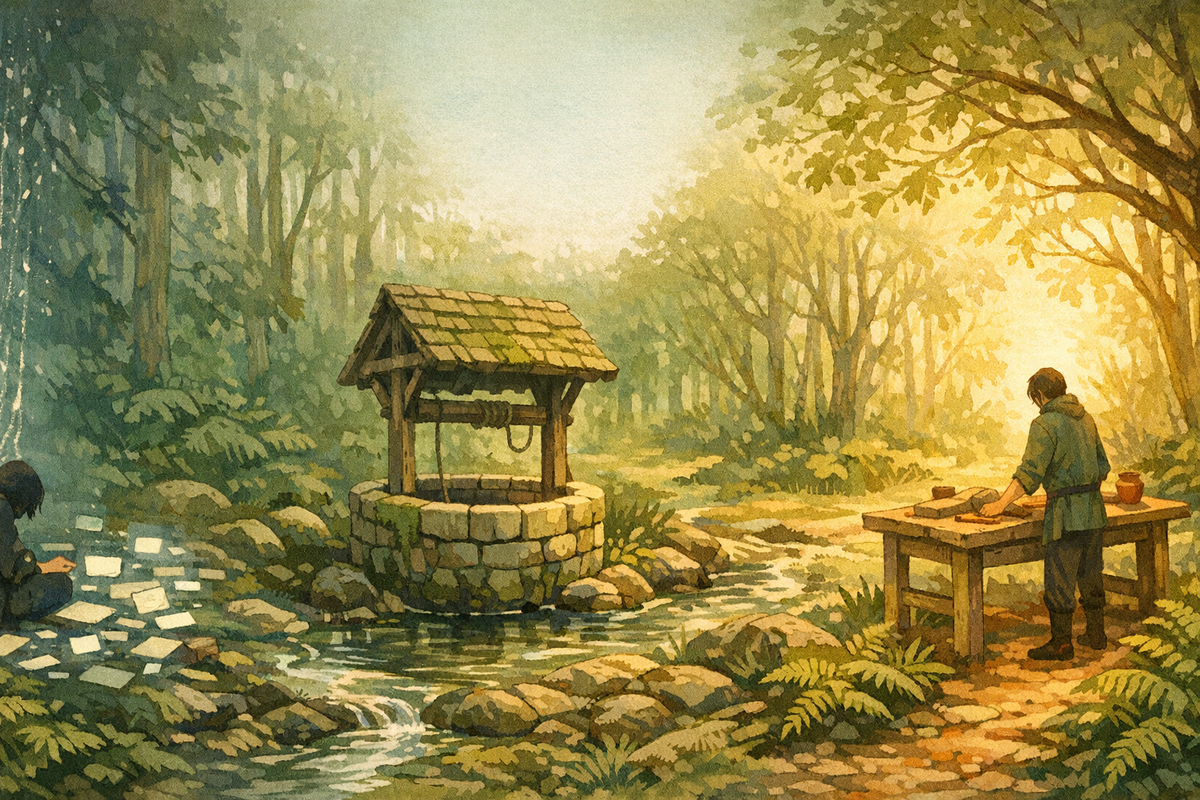
What if the thing you're calling research is actually depletion?
There's a particular posture we take when scrolling for inspiration. Pinterest boards. Instagram saves. Endless tabs of "ideas for later." The body hunches forward, the eyes glaze into that middle-distance focus. We're gathering, we tell ourselves. Preparing. When I have enough references, I'll know what I want.
But creativity doesn't work like hoarding. Attention is a finite reservoir, and every scroll draws from the same well you'd need to actually make something. The inspiration feed promises to fill you up. Instead, it leaves you with a thousand images of other people's decisions and no capacity to make your own.
Interior designer Vern Yip put it simply: stop scrolling for inspiration. Touch materials. Walk through actual spaces. Let your hands tell you what feels right before your eyes get overwhelmed with options. The body knows things the algorithm can't index.
This is presence as foundation. The scroll fragments attention into a thousand small hits—each one rewarding enough to continue, none of them deep enough to reveal what you actually want. You end up with a collection of things that appealed in the moment and no sense of the pattern underneath. The gathering replaces the knowing.
I notice this in myself. The urge to "research more" before starting often masks a reluctance to commit. If I keep scrolling, I haven't chosen yet, which means I can't be wrong yet. But the cost is real: an hour of collecting drains the same attentional capacity I'd need for twenty minutes of genuine work. The feed taught me what others have made. It didn't teach me what I actually need.
The invitation isn't to never look at references. It's to notice when the looking has shifted from resource to refuge. When you've been scrolling for twenty minutes and still don't feel ready—that's information. Not about the lack of inspiration, but about the attention you've already spent.
What would happen if you closed the tab and started with what you remember? Not the Pinterest-perfect version, but the felt sense of what drew you to the search in the first place. The body often knows the answer before the algorithm shows you alternatives. And the capacity to hear that knowing requires the same attention the scroll is quietly draining away.