The Sound the Work Makes
We've layered so much onto watching that 'no music' has become remarkable. What got stripped away that we're now seeking in artisan videos?
What if the thing you're watching wants less from you, not more?
An IT worker posted about watching artisan videos without background music. Coin restoration. Mechanical repairs. Skilled hands working in real time, with only the ambient sounds of the shop—metal on metal, the click of tools, occasional breath. No soundtrack. No narration. Just the work and the sound the work makes.
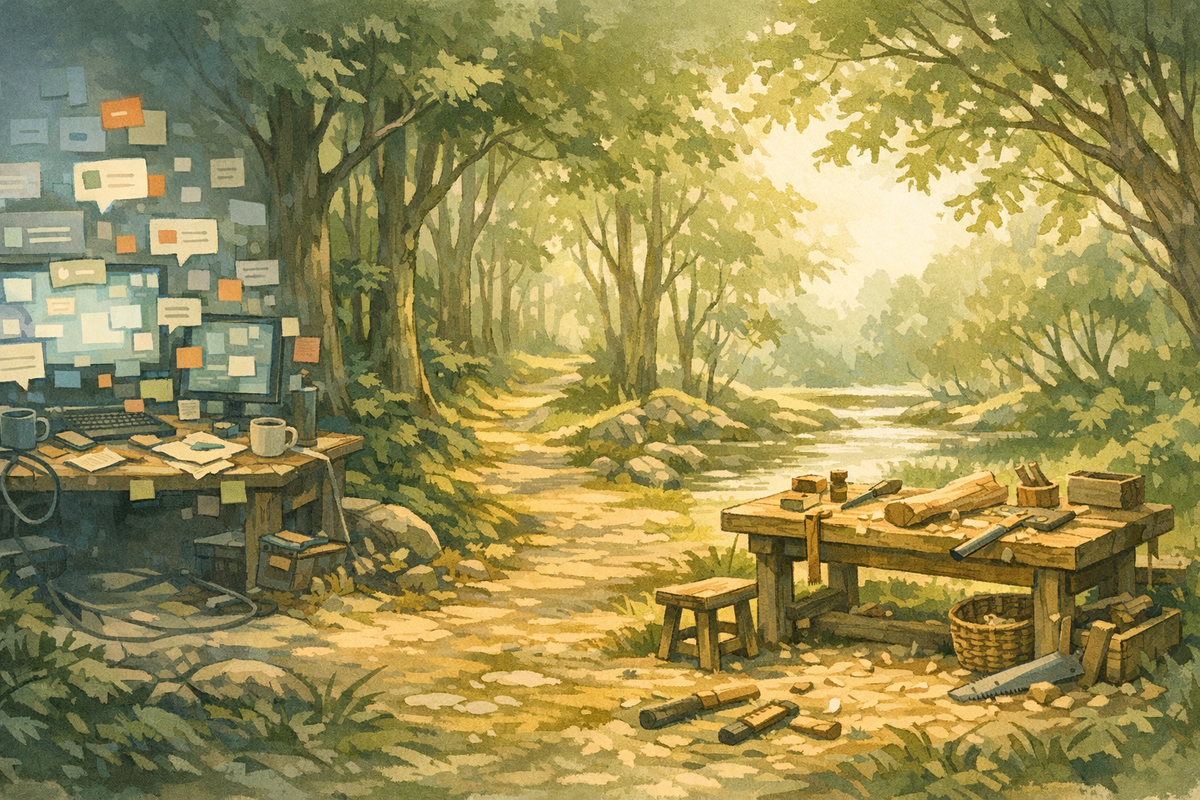
What struck me wasn't the videos themselves. It was that "no music" had become a category worth seeking. We've layered so much optimization onto media—soundtracks to set mood, narration to explain, fast cuts to hold attention—that the absence of those layers now feels like relief. The stripped-down version has become the luxury.
This is presence as foundation working in reverse. When everything is designed to hold your attention for you, the muscle that sustains attention on its own starts to atrophy. You reach for background watching and find you need the extra stimulation just to stay present with something simple. The media trained you to need it. Now you're looking for the thing that asks less.
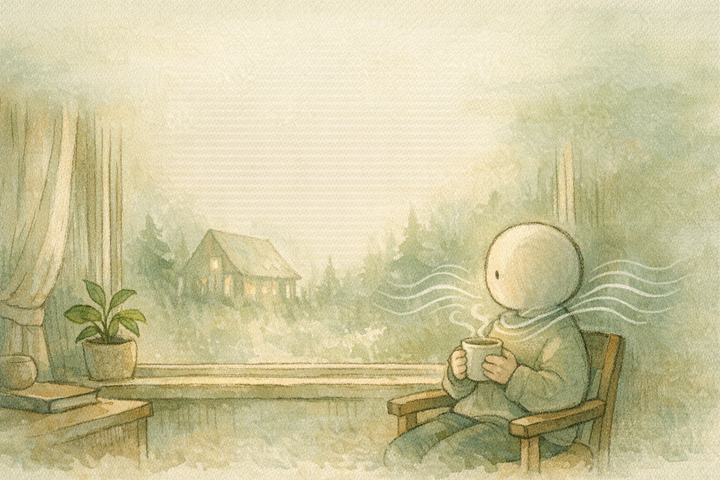
I notice this in myself. The urge to put something on while I work, then the restlessness when the something is too quiet. The attention wants to be grabbed. It's forgotten how to rest on something without being grabbed. These artisan videos—just hands and tools and the sound of making—are practice in the other direction. You stay because the work is interesting, not because the editing won't let you leave.
There's a reason the poster mentioned yearning for "the mines" after days of virtual work. The body knows something is missing. Not just physical labor, but the kind of attention that comes with it—sustained, grounded, following the rhythm of the task itself rather than the rhythm someone designed to keep you watching. The no-music videos aren't really about nostalgia for craft. They're about recovering a quality of attention we've been slowly trained out of.
The invitation isn't to swear off soundtracks or narration. It's to notice what you're actually seeking when you reach for background media. Stimulation? Distraction? Or maybe something quieter—the chance to let your attention rest on skilled work without being managed. The sound the work makes might be enough. It used to be.