
The Usability Inflection Point for Sandboxing
Sandboxing has been possible for decades. Now it's forgettable—and that's when infrastructure starts to matter.
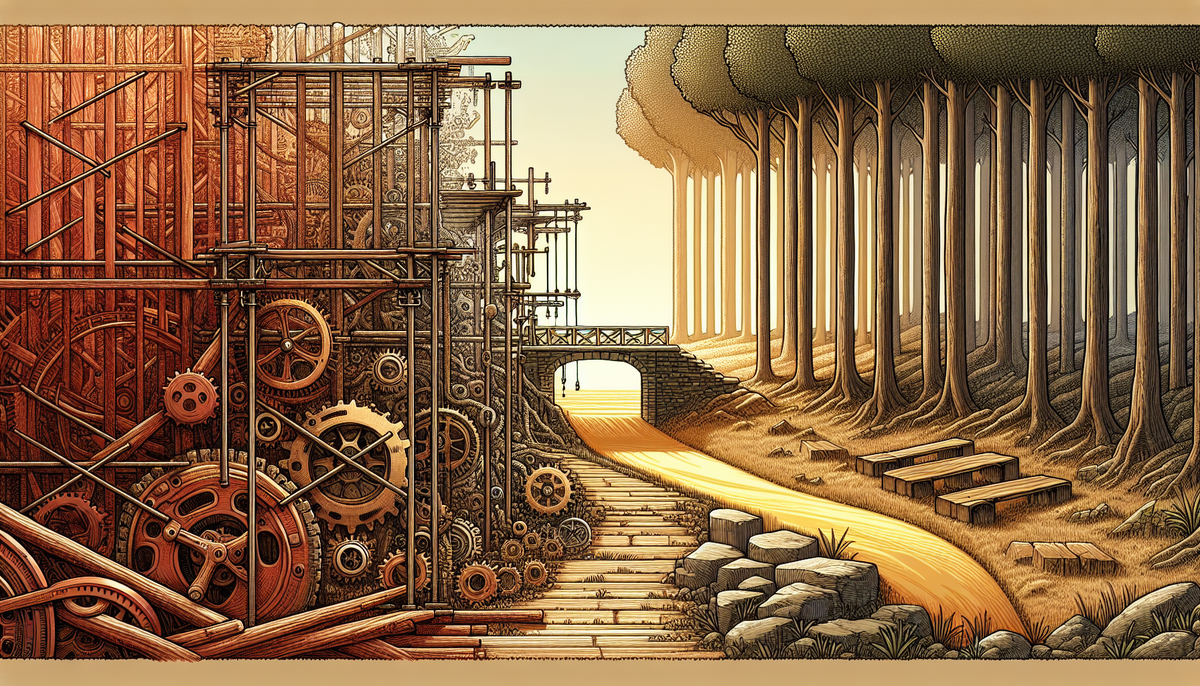
Technology doesn't matter until someone makes it forgettable.
Containers existed for years before Docker shipped in 2013. The capability was there—Linux namespaces, cgroups, the whole isolation stack. But no one used it because every deployment required reading kernel documentation and writing init scripts. Docker didn't invent containers. It made them disappear behind docker run.
Git existed for years before GitHub launched in 2008. Distributed version control was possible. But it required SSH keys, bare repositories, and command-line archaeology. GitHub didn't invent version control. It made collaboration so obvious you could forget the complexity underneath.
January 2026 looks like sandboxing's Docker moment.
Three Simultaneous Arrivals
Simon Willison called it in his 2026 predictions: sandboxing will mature this year, but "it's UX work, not technology work." The capability exists. What's missing is the layer that makes it forgettable.
Then Fly.io launched Sprites.dev—ephemeral sandboxes with scale-to-zero billing and a dead-simple API. Spin up an isolated environment, run untrusted code, tear it down. No cluster management, no capacity planning, no infrastructure babysitting. The sandbox becomes invisible infrastructure.
Same week, Anthropic released Claude Cowork with filesystem sandboxing built in. Not bolted on, not documented as an advanced feature—just there, working, invisible. The model writes code, the code runs in isolation, the output comes back. You can forget the sandbox exists.
Three convergences in one month: prediction, infrastructure, integration. That's not coincidence. That's an inflection point.
The Pattern: Second Arrivals Matter More
We celebrate first arrivals. The whitepaper, the proof of concept, the capability demonstration. "Look, it's possible!" We write blog posts, star GitHub repos, add it to our mental list of technologies to learn someday.
But first arrivals don't change behavior. The technology sits in the "possible but impractical" category, used by specialists, ignored by everyone else.
Second arrivals are different. They remove friction between intent and action. You stop thinking about the technology and start using it. The capability becomes so accessible it disappears. That's when adoption happens. That's when behavior changes.
Sandboxing has been possible for decades. The capability existed. What didn't exist was the ability to forget you were using it.
Now you can. Sprites gives you an API endpoint. Cowork gives you sandboxing as a default behavior. The infrastructure fades into background hum. You write code that needs isolation, and isolation appears. Forgettable.
Usability Is the Innovation
When people say "Docker revolutionized containers," they're crediting the wrong layer. Docker didn't revolutionize the capability—it revolutionized the interface. The innovation was making containers so easy to use that you could stop thinking about them.
The same thing is happening with sandboxing. The technology hasn't changed. What's changed is the distance between "I need to run untrusted code" and "the code is running in isolation." That distance just collapsed from hours to seconds, from specialist knowledge to default behavior.
This is alignment over force. The capability exists. The usability layer removes friction so reality carries the work. You align with what's already possible, and the system compounds.
Sandboxing compounds. Every untrusted script, every user-generated code snippet, every LLM output that needs execution—it all becomes safer by default. The capability was always there. Now it's forgettable enough to use everywhere.
Watch for Second Arrivals
The sandboxing inflection reveals a pattern you can apply to every tool you evaluate.
Stop asking "can this be done?" Start asking "can I forget I'm doing this?"
Capability matters, but only after usability arrives. The technology that changes behavior isn't the one that proves feasibility—it's the one that makes feasibility invisible.
Docker didn't teach people about namespaces. It made namespaces irrelevant to daily work. GitHub didn't teach people about distributed version control. It made distribution automatic. Sprites and Cowork won't teach people about sandboxing. They'll make sandboxing disappear.
That's the goal. Not adoption through education. Adoption through forgetting.
When you can forget the infrastructure exists, that's when it starts to matter.
Sources: Three convergences in January 2026 point to sandboxing infrastructure crossing from 'possible' to 'usable': - Simon Willison predicted sandboxing maturity, calling it 'UX work, not technology work' - Fly launches Sprites.dev—ephemeral sandboxes with scale-to-zero billing - Anthropic releases Cowork with filesystem sandboxing built in