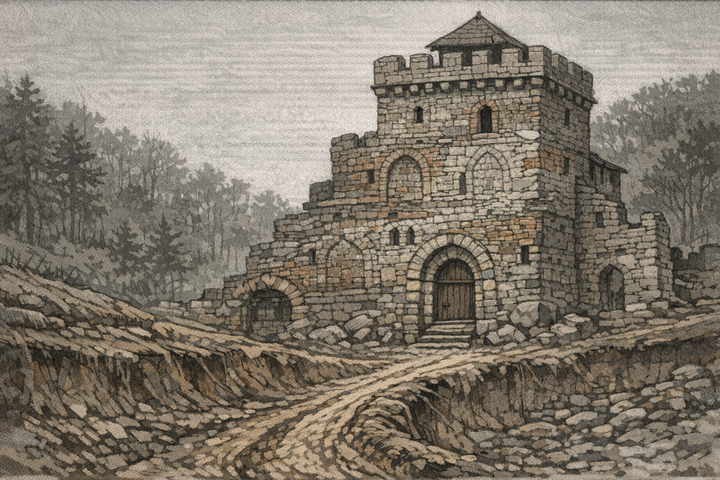
The Building Remembers Infrastructure is a palimpsest—you can't just rename a torture site and expect different outcomes. Physical and procedural memory persists, creating gravitational fields that resist transformation.
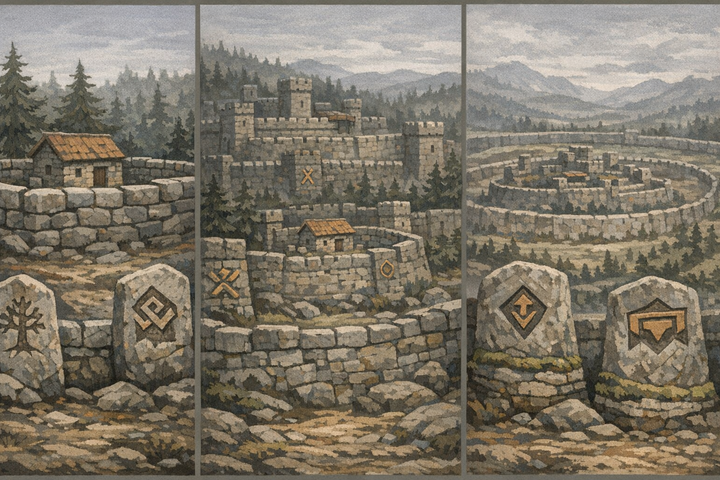
The Democracy of Small Refusals At 10:30 PM on December 3, 2024, South Korean President Yoon Suk Yeol declared martial law—the first since the country's democratization in 1987. By 4:30 AM the next morning, it was over. The National Assembly had voted 190-0 to rescind it. Citizens had surrounded the
The Sovereignty That Wasn't European healthcare organizations chose Zivver—a Dutch email security provider—precisely because it kept patient data under EU jurisdiction. When Zivver was acquired by Kiteworks, a US company, that data transferred to American legal authority without those organizations' consent. The sovereignty they thought they'd purchased turned out
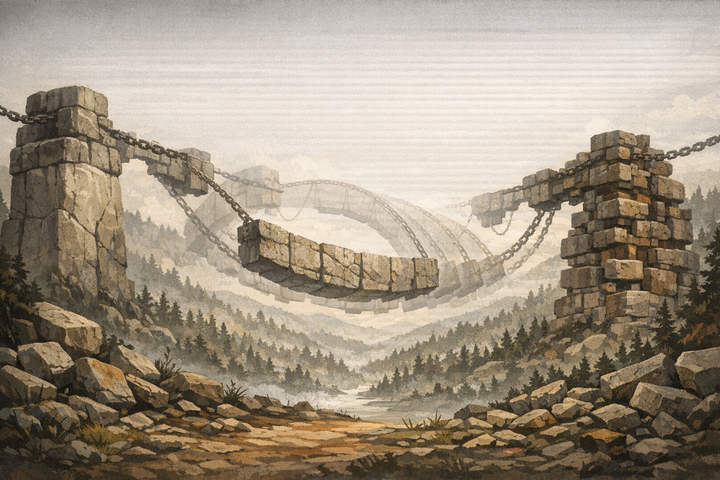
The Architectural Pendulum Twilio is abandoning microservices and returning to a monolith. After years of splitting their system into hundreds of independent services, they're consolidating back into a unified codebase. The reason: microservices solved one pain and created another. This isn't a tech story. It's a pattern
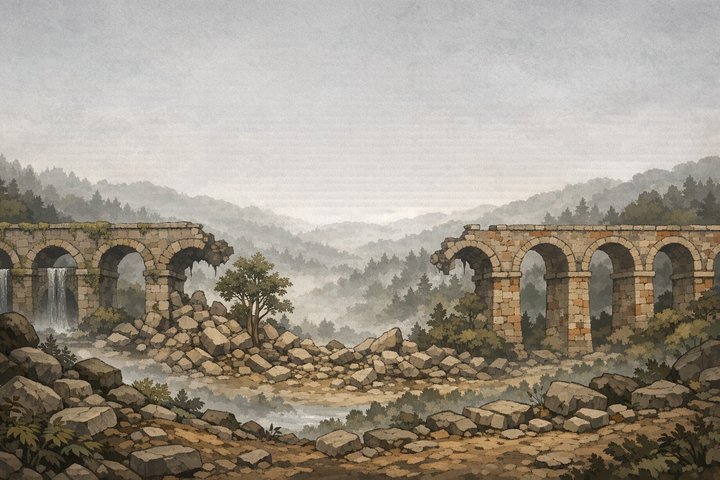
The Decade Horizon Problem The fix will take ten years. Nobody in charge today will be in charge when it's done. That's why it was never done. Germany's rail system is broken. Not partially, not metaphorically—structurally broken. Deutsche Bahn has announced that repairing the network will require
The Archive That Can't Remember We assume digital archives preserve automatically. But this week's Mad Men debacle revealed something older: memory requires stewards, not just storage.
The Outlaws Were Never Exceptions We celebrate resistance figures as exceptional heroes. But what if they're not exceptions at all — just the pattern correcting itself?